
Unlocking the Secrets of Smart Spending in a Digital Age
ARTICLE:
We’re living in a world where digital spending is the norm. Online shopping, subscription services, and social media advertising are all vying for our attention, making it increasingly difficult to keep track of our finances. But smart spending isn’t just about saving money – it’s about being intentional with how we allocate our resources.
The Problem with Mindless Spending
It’s easy to get caught up in the cycle of mindless spending. We click “buy now” without thinking twice, and before we know it, our bank balances are dwindling. A recent study found that the average person spends around 10 hours per week on online shopping, with many of us falling prey to impulse buys and subscription services that we don’t actually use. The result is financial stress, anxiety, and a sense of being out of control.
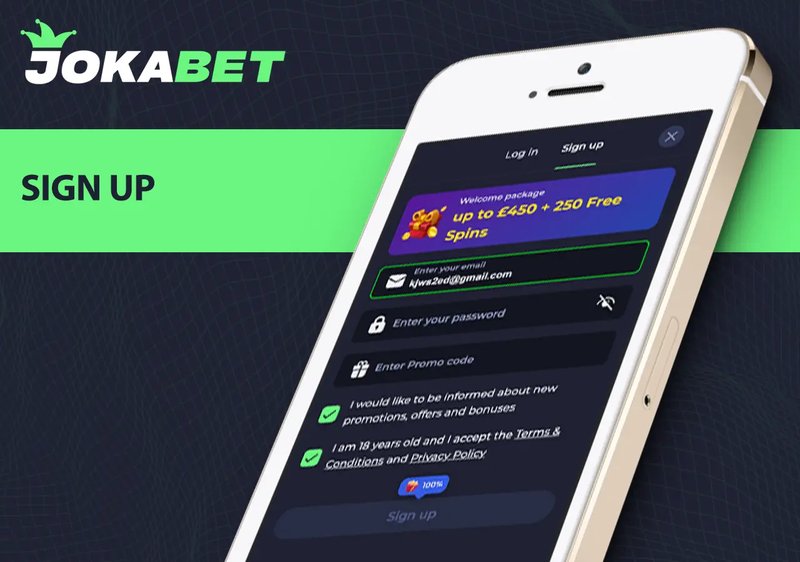
But there is a way out. The first step is to take control of our finances by tracking our expenses. By monitoring our spending habits, we can identify areas where we can cut back and make more intentional decisions about how we allocate our resources. For example, prioritizing our spending by focusing on essential expenses, such as rent and groceries, can help us stay on track and avoid unnecessary purchases, which is also a consideration when managing in-game expenses as seen in services like jokabet.
Strategies for Smart Spending
So, what are some strategies for smart spending in a digital age? Here are a few tips to get you started:
- Implement a 30-day waiting period for non-essential purchases. This will give you time to think twice about whether you really need the item.
- Use budgeting apps like Mint or Personal Capital to track your expenses and stay on top of your finances.
- Consider a subscription service like jokabet, which can help you prioritize your spending and make more intentional decisions about how you allocate your resources.
- Avoid impulse buys by sticking to your shopping list and avoiding online shopping when you’re feeling stressed or emotional.
Online gaming, in particular, can be a major culprit when it comes to mindless spending. With in-game purchases and subscription fees, it’s easy to get sucked into a cycle of overspending. But by being mindful of our spending habits and making intentional decisions about how we allocate our resources, we can avoid financial pitfalls and stay on track.
The Benefits of Smart Spending
So, why is smart spending so important? By making intentional decisions about how we allocate our resources, we can achieve a range of benefits, from reducing financial stress to increasing our overall sense of well-being.
When we take control of our finances, we’re able to:
- Reduce financial stress and anxiety
- Build savings and achieve long-term financial goals
- Improve our credit scores and financial stability
- Enjoy greater peace of mind and a sense of financial security
Conclusion
Smart spending isn’t just about saving money – it’s about being intentional with how we allocate our resources. By taking control of our finances, we can achieve a range of benefits and improve our overall quality of life. So, take the first step today and start unlocking the secrets of smart spending in a digital age.
Frequently Asked Questions
What is mindless spending and how does it affect finances?
Mindless spending refers to the tendency to buy things impulsively without considering their value or impact on our finances. This can lead to overspending and financial difficulties.
How can I avoid falling into the cycle of mindless spending?
To avoid mindless spending, practice mindful consumption by setting budgets, tracking expenses, and considering the value of each purchase before making it.
What are some smart spending strategies for the digital age?
Smart spending strategies include using budgeting apps, taking advantage of cashback rewards, and prioritizing needs over wants to make the most of your money.
Can smart spending really help me save money and achieve financial goals?
Yes, smart spending can help you save money and achieve financial goals by teaching you how to allocate your resources intentionally and make conscious financial decisions.
